
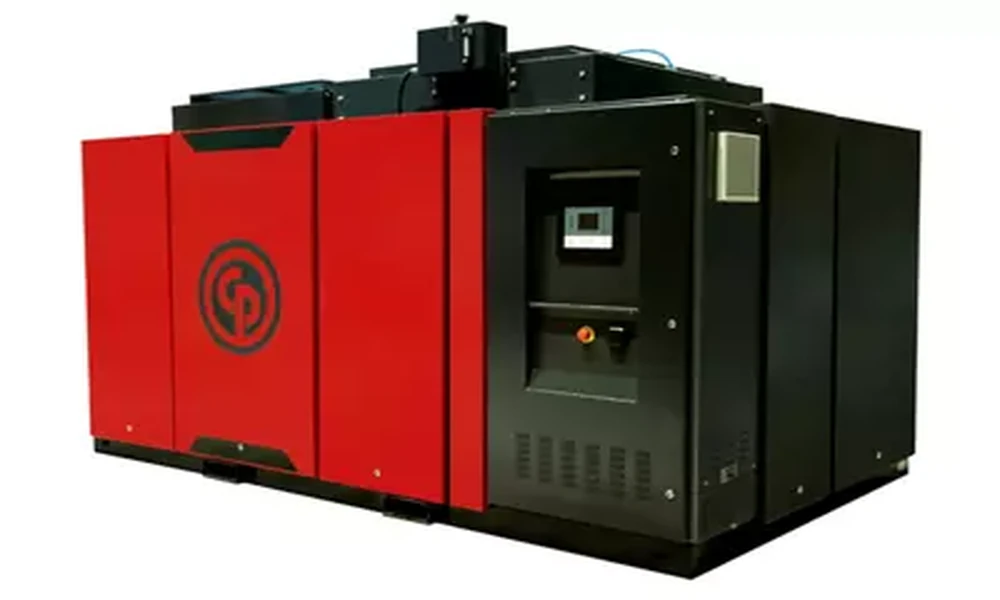
What Makes a Compressor “Oil-Free”
An oil-free compressor is built to keep oil out of the compression chamber altogether, so there’s no chance of it slipping into the airstream. The result is air that stays clean and meets demanding purity benchmarks like ISO 8573-1 Class 0, a standard that carries real weight in industries like petrochemicals, pharmaceuticals, and food and beverage, where contamination isn’t just a cost issue, it can be a safety one too.
A few common types are used across plants:
- Rotary screw compressors: Precisely timed gears keep the screws from ever touching, with specialized coatings standing in for oil to maintain the seal.
- Piston compressors use self-lubricating materials, like Teflon-coated rings, to work without oil inside the cylinder.
- Eliminating the Risk of Product Contamination
Moving parts typically need oil to keep them running smoothly, but that oil comes with a downside: any leak or carryover puts contamination into the airstream. In petrochemical plants, compressed air often comes into direct contact with the product, whether it’s used for nitrogen generation, aeration, or moving material through the process, so even a trace of oil can cause serious damage.
- Chemical Integrity: A microscopic amount of oil vapor is enough to throw off a chemical reaction, spoil a batch of high-purity polymers, or taint specialty gases.
- Cost of Failure: Contamination isn’t just a raw-material loss. It can mean hours spent cleaning downstream equipment and delays that ripple through the supply chain.
- Class 0 Certification: Providers like Chicago Pneumatic offer Class 0 oil-free air, which effectively eliminates the risk of oil-related contamination.
- Enhancing Plant Safety
Safety sits at the core of everything in petrochemical operations. With highly volatile chemicals and compounds in play, there’s no margin for cutting corners.
- Combustion Risks: In high-heat or high-pressure environments, oil carried in compressed air can act as an unintended fuel source, raising the odds of internal fires or piping explosions.
- Instrumentation Reliability: Plants depend on thousands of pneumatic instruments to track pressure and flow. Oil buildup in these lines can lead to “gumming,”causing valves to stick or sensors to fail, which is exactly the scenario safety managers work hard to avoid.
- Lowering Environmental and Maintenance Burdens
- No Oil Disposal: Lubricated systems generate oily condensate that must be treated as hazardous waste.
- Reduced Pressure Drop: In standard systems, oil-removal filters can lead to clogging making the compressor work harder and burn more energy. Oil-free systems keep air flowing consistently, without leaning on heavy downstream filtration.
- Maximizing Uptime in Extreme Conditions
- Simple Mechanical Design: Without oil sealing the rotors, these units tend to experience less mechanical wear, which translates into longer stretches between major overhauls.
Final Thoughts
Oil-free compressors usually cost more upfront than lubricated models, but that gap tends to close once you factor in fewer filter replacements, no oil disposal expenses, and the far bigger savings from avoiding contaminated batches altogether. In an industry where a single error can be extremely costly, investing in clean, reliable compressed air system sn’t optional; it’s a core part of running a safe, efficient plant.