
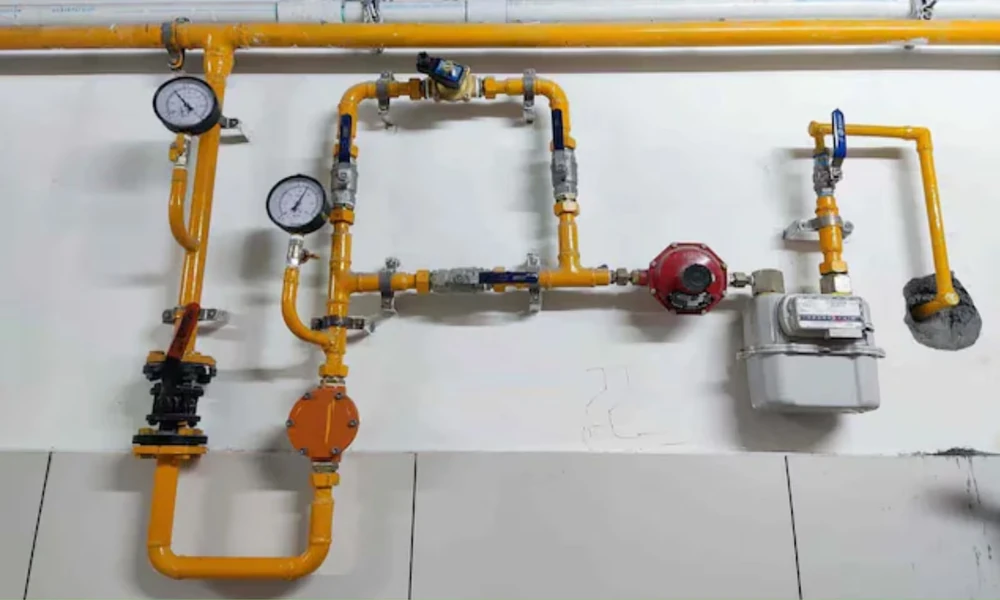
Arranging a gas supply for a newly built property requires careful planning before installation work begins. A new home gas connection involves several steps, including document preparation, site checks, approval requests, and coordination with qualified installers. Delays often occur when these tasks begin too late. Clear communication helps prevent missed requirements and repeated visits. Early preparation also allows property owners to understand expected costs and responsibilities. A planned approach keeps the application process organised from the first request through the final safety inspection.
Planning Before Construction Work Begins
Early planning helps property owners identify supply requirements before major building work is completed. It also gives contractors time to review suitable pipe routes and equipment locations.
Builders should discuss gas requirements during the initial project planning stage. This allows space to be reserved for pipes, meters, ventilation, and safe appliance placement. Late changes may require extra labour or alterations to finished walls.
Preparing Documents for Faster Processing
Complete paperwork helps suppliers review requests without unnecessary delays. Applicants should confirm the required forms directly through their chosen gas provider.
Property ownership details, building plans, site addresses, and contact information may be requested. Requirements vary by provider and property type. Checking each item before submission reduces the chance of missing information. Keeping copies of submitted records also makes follow-up easier.
Organising Application Tasks in Advance
A simple checklist helps everyone understand their responsibilities. Each task should have a clear owner and an expected completion date.
· Confirm property details before submitting the initial request.
· Gather building drawings required for technical review.
· Check whether permits or local approvals are necessary.
· Arrange site access for authorised inspection staff.
· Record application reference numbers for future communication.
· Confirm payment requirements before authorising scheduled work.
· Share updated construction plans whenever site conditions change.
· Keep inspection records available for the responsible installation team.
These actions create a clear record of progress and outstanding work.
Coordinating Contractors and Supply Providers
Builders, plumbers, project managers, and gas suppliers may work to different schedules. Regular communication helps prevent one team from delaying another. The project manager should confirm when the property will be ready for inspection. Contractors must also understand which tasks require approval before work proceeds. This arrangement reduces confusion over responsibilities. It also helps prevent finished surfaces from being opened again to accommodate overlooked pipe routes.
Which Project Details Should Teams Confirm Before Installation?
Before installation begins, the project team should confirm the property’s layout, intended gas appliances, meter position, and proposed pipe routes. These details help the supplier assess whether the planned arrangement meets applicable requirements. They also reduce changes after materials have been purchased.
Managing Schedules and Approval Requirements
Application progress depends on more than submitting forms. Site readiness, technical reviews, and inspection appointments can influence the overall timeline. Property owners should request an estimated processing period from the supplier. They should also ask whether any additional checks apply to the planned installation. These details help the construction team organise related work without making unsupported assumptions about completion dates.
Tracking Responsibilities Through Clear Records
Written records help prevent misunderstandings when several parties manage different tasks. A shared project record can show the current status of each requirement. It should identify outstanding approvals, completed inspections, assigned responsibilities, and upcoming appointments.
| Project record | Information to include | Purpose |
|---|---|---|
| Application register | Submission date and reference number | Helps track progress |
| Document checklist | Required forms and completion status | Identifies missing paperwork |
| Work schedule | Planned dates and responsible contractors | Reduces scheduling conflicts |
| Inspection log | Findings and required corrections | Records compliance progress |
| Cost register | Fees, quoted work, and approved changes | Supports budget control |
Reviewing Site Readiness Before Work Starts
A site readiness review checks whether the property can support the planned installation. The team should confirm access routes, meter placement, pipe locations, and the availability of required drawings. Any design changes should be shared before the installer arrives.
The new home gas connection process may require additional checks when construction differs from the approved plans. Qualified professionals should assess technical requirements and complete regulated work. Property owners should never assume that a completed building is automatically ready for gas supply. Inspection requirements must be satisfied before the connection is put into service.
Common Questions About Application Coordination FAQ
· When should an application begin? Start during early planning once property details and supply needs are known.
· Which documents might suppliers request? Common items include site plans, property details, and completed application forms.
· Who arranges the site inspection? The property owner or appointed coordinator should confirm arrangements with the supplier.
· Can construction continue before approval? Unrelated work may proceed, but regulated gas work must follow applicable requirements.
· How can applicants track progress? Keep reference numbers, submission dates, correspondence, and outstanding tasks in one record.
· Who should complete gas installation work? Use appropriately qualified professionals authorised to perform the required work.
Keeping Every Project Stage Accountable
Reliable coordination depends on clear duties, accurate records, and timely communication. Property owners should review progress regularly and resolve missing requirements before they affect scheduled work. Contractors must follow approved plans and applicable safety rules. Suppliers should be contacted when clarification is needed. A consistent process is more useful than expecting every stage to proceed perfectly. Careful execution helps reduce avoidable delays while keeping the proposed gas supply safe and properly organised.