
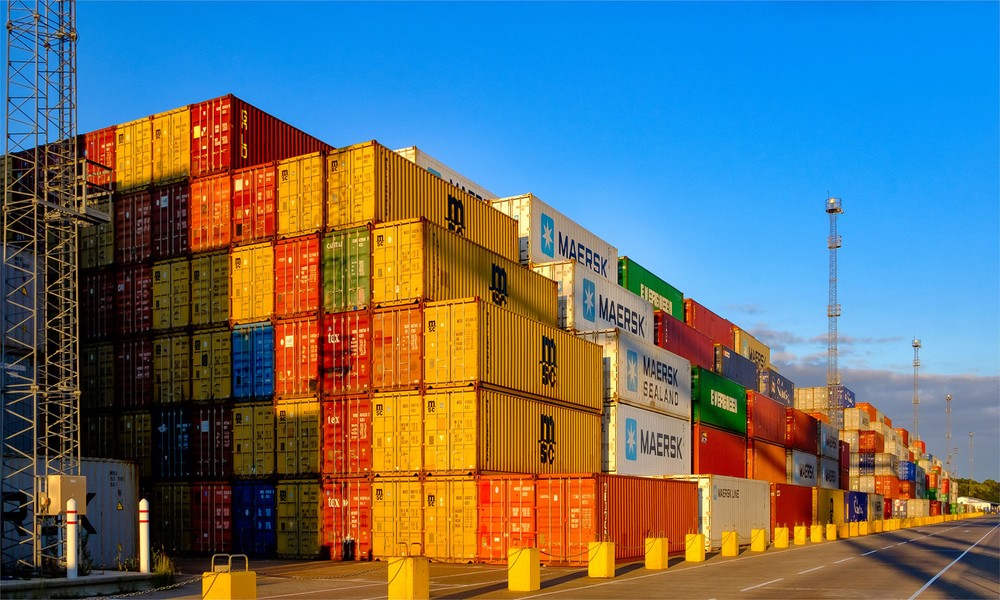
For businesses across the island, shipping containers in Singapore represent one of the most practical and versatile solutions for both storage and transport challenges. From the sprawling logistics parks of Tuas to the compact commercial lots of Geylang, containers provide secure, weather-resistant space that can be deployed in days rather than months. This article explores how Singaporean businesses leverage containers for storage and transport, and what to consider when integrating these steel structures into daily operations.
The Storage Advantage
Immediate Availability
Unlike conventional warehousing, which requires lease negotiations, fit-outs, and regulatory approvals, a cargo container can be delivered and positioned within a week of purchase. For businesses responding to sudden inventory surges – seasonal stock, project materials, or emergency supplies – this speed is invaluable. A twenty-foot unit offers roughly thirty-three cubic metres of lockable space, while a forty-foot unit doubles that capacity.
Flexibility and Relocation
Containers are inherently portable. When a storage requirement shifts from one site to another, the unit can be lifted onto a truck and repositioned in a matter of hours. This mobility suits Singapore’s dynamic commercial landscape, where lease terms change, construction phases advance, and business districts evolve rapidly.
Security and Weather Protection
Corten steel walls, tamper-resistant locking systems, and wind-and-watertight seals protect contents from theft, rain, and humidity. For a tropical climate that delivers both intense sun and heavy downpours, a well-maintained storage container provides a remarkably stable internal environment. Adding ventilation cowls or a desiccant system further reduces condensation for moisture-sensitive goods.
“We manage pop-up events across Singapore, and our containers travel with us. They store our staging equipment between events and double as secure backstage units during shows. The flexibility is unmatched,” says Faizal Rahman, operations manager at a Singaporean events logistics company.
Transport Solutions
Full Container Load Shipments
Singapore’s status as a global transhipment hub means that businesses exporting goods benefit from competitive freight rates and frequent vessel departures. A forty-foot freight container loaded at a Jurong factory can reach ports across Southeast Asia, the Middle East, and Europe with established routing and scheduling. Full container load shipments offer lower per-unit costs and reduced handling compared to less-than-container-load alternatives.
Domestic and Regional Distribution
Within Singapore and the broader ASEAN region, containers streamline the movement of goods between factories, distribution centres, and retail outlets. Standardised dimensions ensure compatibility with port cranes, truck chassis, and rail wagons, minimising transfer delays. An industrial container loaded at source travels sealed to its destination, reducing the risk of damage, loss, or contamination.
Intermodal Compatibility
Shipping containers are designed for seamless transfer between ship, truck, and rail. This intermodal capability reduces handling, lowers damage rates, and simplifies documentation. For Singaporean exporters moving goods through Malaysia or into mainland Southeast Asia, intermodal transport offers significant time and cost efficiencies.
Choosing the Right Container for the Task
Storage Applications
- General inventory: Standard twenty-foot or forty-foot dry containers in Grade A or B condition.
- Temperature-sensitive goods: Refrigerated units with documented maintenance records and compatible power supply.
- Hazardous materials: Modified containers with bunding, ventilation, and regulatory signage.
- Document archiving: Insulated, ventilated units with shelving and dehumidification systems.
Transport Applications
- Export cargo: ISO-certified containers with valid CSC plates.
- Heavy machinery: Flat-rack containers rated for the payload.
- Oversized items: Open-top containers allowing crane access.
- Perishable goods: Reefer units connected to vessel or genset power.
Working With a Reliable Supplier
What to Look For
A dependable shipping container Singapore supplier maintains a diverse inventory, provides transparent pricing, and offers both new and graded used units. They should be able to advise on the most suitable container type and size for each application, arrange delivery to any location on the island, and provide modification services or referrals to trusted fabricators.
Inspection and Documentation
Always inspect containers before purchase – either in person at the supplier’s yard or through a dated photographic survey. Request documentation including the manufacturing year, previous usage history, condition grade, and any certifications. For transport containers, confirm that the CSC plate is valid and that the unit meets the receiving port’s requirements.
Delivery Logistics
Singapore’s road network imposes specific constraints. Overhead bridge clearances, weight limits on certain roads, and restricted access hours in residential estates all affect delivery planning. A knowledgeable storage container dealer will coordinate delivery timing, route selection, and placement equipment – whether a tilt-bed truck, side-loader, or mobile crane – to ensure a smooth handover.
Modifications for Enhanced Functionality
Standard containers can be transformed into highly functional spaces with relatively modest investment. Common modifications include the following.
- Personnel doors and windows for office or retail use.
- Insulation and air conditioning for occupied environments.
- Electrical wiring and lighting for workshops and studios.
- Shelving and racking systems for organised, accessible storage.
- Roll-up shutters for rapid-access applications.
A reputable supplier will either perform these modifications in-house or partner with certified fabricators, ensuring structural integrity is maintained throughout the process.
Cost Considerations
The total cost of a container solution includes the unit price, delivery, site preparation, modifications, permits, and ongoing maintenance. Comparing quotes from at least three suppliers helps establish a fair market baseline. Factor in the expected service life – a well-maintained container can remain functional for twenty years or more – to assess true value rather than upfront cost alone.
Conclusion
Shipping containers in Singapore deliver proven, adaptable solutions for both storage and transport. Their speed of deployment, portability, security, and intermodal compatibility make them indispensable across industries ranging from construction and retail to pharmaceuticals and events. By selecting the right size, condition, and supplier, businesses secure a shipping container Singapore asset that performs reliably through every season and every operational demand.