
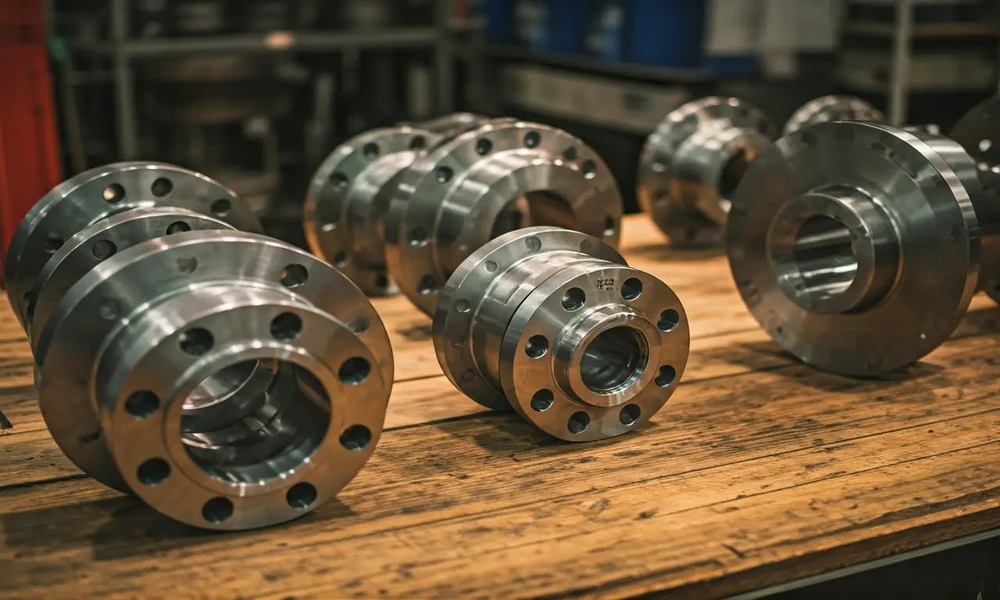
Reliable industrial operations depend on selecting suitable materials before production begins. Every flange should match pressure demands while handling heat or corrosive substances without losing strength. Careful planning helps reduce wear while supporting stable equipment operation through demanding conditions. Smart material evaluation also improves long-term reliability across demanding applications through oil and gas flange solutions requiring dependable performance.
Pressure Strength Matching
Pressure ratings should always match the selected material because every operating condition places different stress on connected equipment. Carbon steel works well for standard pressure requirements while stronger alloy grades handle heavier loads with improved durability.
- Carbon steel supports steady pressure under regular industrial operating conditions.
- Alloy grades manage heavier loads through continuous production with confidence.
- Correct matching reduces sealing loss during demanding pressure changes.
- Strong materials improve dependable operation across extended working periods.
- Suitable selection lowers repair needs through reliable structural support.
Corrosion Resistance Selection
Harsh chemicals or constant moisture may weaken metal surfaces over time. Stainless steel provides strong resistance against rust while duplex grades offer greater protection where corrosion risks remain higher. Selecting suitable material keeps equipment dependable while extending working life. Proper planning with oil and gas flange components improves reliability under demanding industrial conditions.
Heat Performance Stability
High temperature operation requires materials that keep their strength without changing shape easily. Alloy steel along with nickel-based materials perform well where constant heat remains present.
- Heat-resistant alloys retain strength during extended operating periods successfully.
- Stable materials reduce expansion while protecting sealing quality consistently.
- Proper selection supports dependable output despite changing thermal conditions.
- Reliable metals lower structural stress through continuous production cycles.
- Suitable grades improve lasting operation with reduced maintenance requirements.
Material Wear Control
Repeated pressure changes create gradual wear across connected parts during regular operation. Materials with higher toughness resist cracking while maintaining dependable structural support. Careful selection also reduces surface damage caused by friction or vibration. Stronger components help maintain reliable production without frequent replacement.
Long-Term Reliability
Successful industrial performance depends on matching materials with actual operating requirements instead of selecting one option for every condition. Evaluating pressure, heat, corrosion resistance plus mechanical strength helps create dependable connections. Well-chosen components reduce unexpected shutdowns while supporting stable production throughout extended working periods.
Careful material evaluation creates stronger industrial connections that remain dependable under demanding operating conditions. Matching metal properties with pressure, heat plus corrosion requirements lowers wear while improving lasting performance. Thoughtful planning reduces unnecessary repairs while supporting reliable production. Consistent selection offers a practical solution for dependable equipment operation across changing industrial requirements.