
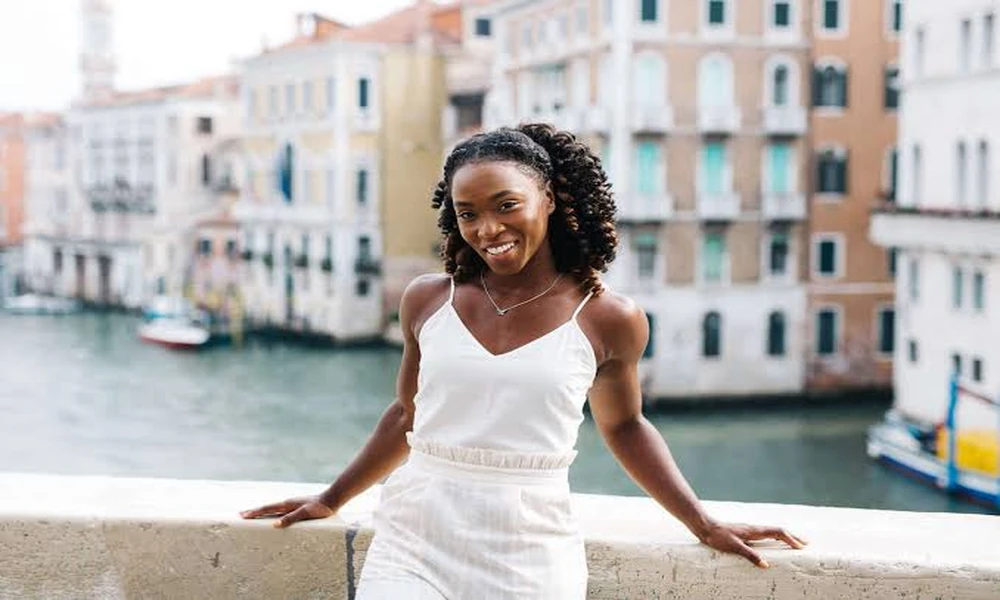
The most useful headshot package is the one that supplies images you can actually place in your everyday materials. Before choosing a pose or comparing gallery sizes, identify where the photograph will appear and how those layouts treat a face. A small, purposeful set of finished files can solve more problems than a large collection of nearly identical portraits.
Three destinations can need three different frames
Imagine a founder who needs a photograph for a website biography, a conference speaker page and a business proposal. The website may use a square card, the organizer may request a vertical portrait, and the proposal designer may want a wider frame with room beside the subject. These are not three versions of the same request. They are three composition problems that should be visible before the session.
Collect actual examples rather than guessing what each recipient might need. A screenshot of the page layout can explain more than a phrase such as “social-media friendly.” If the design is not finished, ask the designer what is already known and what remains flexible. The photographer can plan around a range of uses more intelligently when the uncertainty is described honestly.
Some uses will overlap. A well-composed master may support both a small profile image and a larger biography portrait. Others may need a different camera position or more room around the body. Let the intended layout reveal that distinction. It is more efficient than deciding in advance that every channel needs a separate photograph or that one photograph must work everywhere.
Solve the crop while the camera is still there
A tight crop can be striking, but it leaves fewer choices for a designer later. If the top of the head or part of a shoulder is already outside the image, a different crop cannot restore the missing scene. Ask the photographer to consider the planned uses during capture. A slightly wider alternative may be worthwhile even when the close portrait remains your personal favourite.
Look at face size inside the intended frame. A circular profile treatment may remove corners that seemed harmless in the full image. A tall biography column may give an unusual amount of empty space to a wide photograph. Do not make a final choice solely by viewing every candidate at the same large size in a gallery. Test the images under the conditions in which other people will see them.
Also discuss direction and empty space. A portrait looking toward the centre of a page may fit more comfortably than one facing out of it, depending on the layout. There is no universal rule demanding a particular pose. The point is to give the designer deliberate options rather than discovering that all the finished images favour the wrong side.
Discuss the finished file, not just the gallery size
Package descriptions can refer to different things: images available for selection, finished images, retouched versions or exported sizes. Ask what the numbers mean. A generous proof gallery does not necessarily include the same number of completed portraits. Compare proposals on the work and usable deliverables they contain, not on the largest number appearing beside the word “photos.”
Toronto professionals reviewing Indigo Visual’s portrait sessions can use their intended image placements as the basis of a clear enquiry. Explain whether the session serves one person’s profile or several members of a team, then confirm the available selection and delivery arrangement. The service category is a starting point; the written proposal should resolve the specific scope.
Clarify who makes crop variants and what happens if a recipient later requests another format. Discuss intended usage, any applicable restrictions and the process for obtaining additional finished files. These details belong in the agreement rather than in assumptions about what photographers usually provide. Keeping the conversation specific makes it easier to compare options without expecting every provider to package work identically.
Choose a portrait that still feels like you
Once the practical requirements are clear, expression becomes easier to judge. Ask which photograph introduces the person a client or colleague will actually meet. That might be a broad smile, a quieter expression or something in between. An image does not become professional by removing every sign of personality, and it does not become approachable simply because someone was instructed to smile harder.
Review a manageable shortlist instead of repeatedly comparing the entire gallery. Tiny differences become harder to assess after looking at dozens of similar frames. Return to the purpose of the image and the actual layout. If two photographs work equally well, the choice may be personal rather than a technical problem requiring another round of opinions.
Be explicit about editing preferences. Temporary distractions, overall presentation and substantial changes to appearance are different requests. Discuss the intended treatment rather than relying on a vague request to make the image look better. The final portrait should remain recognizable in ordinary conversation, not only pleasing when examined beside other photographs from the same session.
Send a small, intelligible delivery set
Keep the best available master separately from the copies prepared for everyday use. Label the approved options by purpose so that an assistant, designer or event organizer can select the right file. Sending twelve versions with almost identical names transfers your selection problem to somebody else. A short note identifying the preferred portrait and its alternatives is usually more useful.
Retain the delivery instructions and agreement with the images so future requests can be answered accurately. Before calling the project finished, place the shortlisted portraits in the website card, speaker layout and proposal mock-up that started the brief. Choose the pose after that test. The photograph that works in those real settings is a stronger business asset than the one that wins only inside the gallery.