
Financial markets attract people with very different goals, temperaments, and expectations. Some are drawn to the excitement of rapid price movements and frequent opportunities, while others prefer a steady, long-term path built on patience and consistency. These two perspectives shape how individuals approach the markets and influence nearly every decision they make once capital is involved.
At the heart of this choice lies a fundamental question: should you focus on fast moves or long horizons? Understanding how market strategies differ is not about choosing a right or wrong path, but about aligning your actions with your financial goals, time availability, and emotional comfort. By exploring how trading and investing operate in practice, you can make more informed decisions and participate in the markets with greater clarity.
Understanding the Core Approaches
Although trading and investing both involve buying and selling financial assets, their purposes and methods differ significantly. One helpful way to frame this distinction is by examining the difference between trading and investing in terms of time horizon, decision-making style, and risk exposure. This perspective helps clarify why these approaches often appeal to different types of market participants.
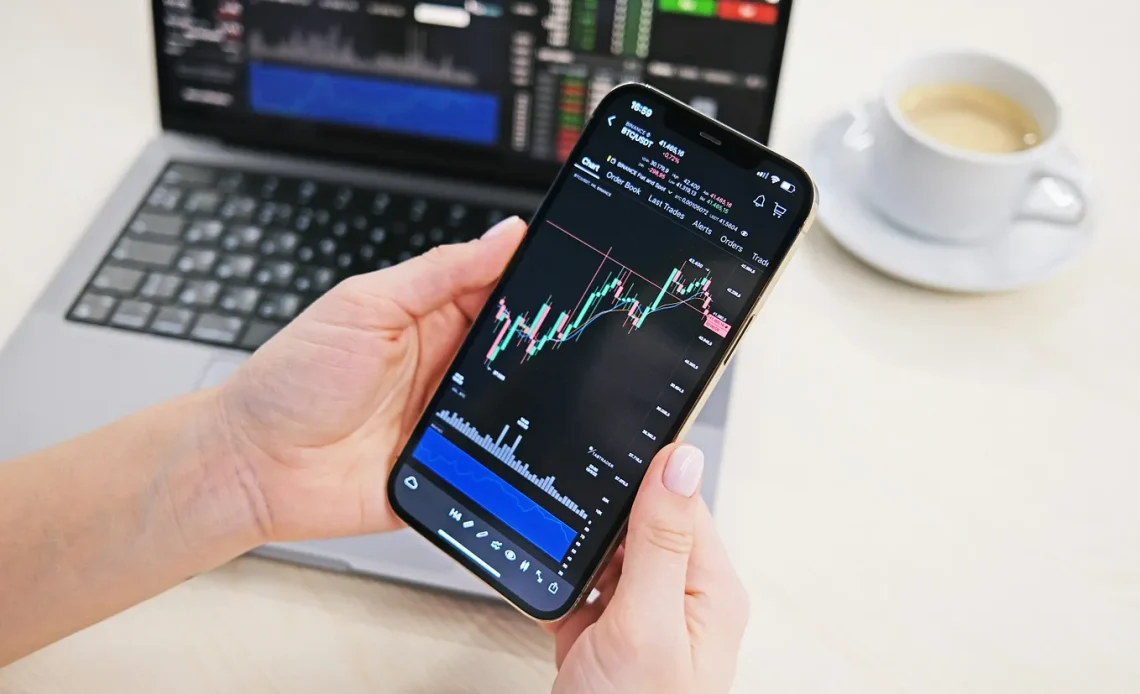
Trading focuses on short-term price movements. Traders seek to benefit from fluctuations that may occur within minutes, hours, or days. Success often depends on timing, discipline, and the ability to react quickly to changing market conditions. Traders typically analyse charts, price patterns, and indicators that signal potential momentum or reversals.
Investing, by contrast, is built on long-term value creation. Investors aim to hold assets over extended periods, sometimes for years or decades, with the expectation that growth, earnings, and broader economic trends will increase value over time. Rather than concentrating on daily price changes, investors look at the underlying strength and future potential of an asset.
The Role of Mindset in Strategy Choice
Mindset plays a central role in determining whether trading or investing is the better fit. Traders must be comfortable making frequent decisions and accepting that losses are part of the process. Emotional discipline is critical, as reacting impulsively to short-term price movements can quickly undermine results. A trader’s routine often involves constant monitoring, rapid analysis, and strict risk controls.
Investors tend to operate with a calmer, more patient outlook. Their success relies on conviction in long-term fundamentals and the ability to stay focused during periods of market uncertainty. Instead of trying to predict short-term movements, investors accept that markets move in cycles and that temporary declines are often part of a larger growth story.
Neither mindset is inherently easier than the other. Trading demands intense focus and emotional resilience in fast-moving environments, while investing requires patience and confidence during long stretches when progress may seem slow. Understanding your own temperament can help determine which approach feels sustainable over time.
Tools, Analysis, and Decision Frameworks
The tools and analytical methods used by traders and investors reflect their distinct priorities. Traders often rely heavily on technical analysis. This includes studying price charts, identifying trends, and using indicators that highlight momentum or volatility. Risk management tools such as stop-loss orders are essential, as they help limit losses when markets move unexpectedly.
Investors, on the other hand, emphasise fundamental analysis. They examine financial statements, economic conditions, competitive advantages, and long-term industry trends. Valuation metrics, growth potential, and income generation are key factors in their decisions. Diversification across sectors and asset classes is commonly used to manage risk over longer horizons.
Time Horizon and Risk Exposure
Time horizon is one of the most influential elements in any market strategy. Traders operate within compressed time frames, which means they are exposed to short-term volatility and rapid price changes. While this can create frequent opportunities, it also increases the likelihood of quick losses if positions are not managed carefully.
Investors benefit from extended time horizons that allow them to absorb market fluctuations. Historically, markets have shown a tendency to recover from downturns over time, rewarding those who remain invested. This longer perspective reduces the pressure to act on every market movement and supports a more measured approach to risk.
Combining Strategies Thoughtfully
For many individuals, the choice between trading and investing does not have to be absolute. Some choose to combine both approaches, allocating most of their capital to long-term investments while setting aside a smaller portion for shorter-term trading opportunities. This blended approach can provide stability while still allowing for active market participation.
The key is balance and self-awareness. Mixing strategies without clear boundaries can lead to confusion and inconsistent results. Clear rules about how much capital is allocated to each approach, along with defined goals for each, help maintain focus and discipline.
Conclusion: Choosing with Confidence and Clarity
Decoding market strategies is ultimately about understanding yourself as much as understanding the markets. Fast moves and long horizons each offer distinct advantages, challenges, and learning curves. Trading appeals to those who thrive on active engagement and short-term analysis, while investing suits those who value patience, consistency, and long-term growth.
Rather than feeling pressured to follow a single path, take the time to reflect on your goals, risk tolerance, and available time. A well-chosen strategy fits your life, not just market conditions. With a clear understanding of how trading and investing differ, you can approach the markets with confidence, discipline, and a sense of purpose that supports your financial journey over time.